

PCS 42
Mula Series
Soil Acidifier PCS-42 | 20 x 250 gms pack | Ecotika Entreprise Solution
A gradual soil acidification solution for managing alkaline root zones and supporting pH-sensitive plants.
₹3,000.00 Original price was: ₹3,000.00.₹1,600.00Current price is: ₹1,600.00.
Short Description
Acidifier is a soil pH-management solution designed to support the gradual reduction of excessively alkaline soil conditions and help growers establish a more suitable root-zone environment for acid-loving and pH-sensitive plants.
It is suitable for home gardeners, nurseries, professional growers, landscapers and modern agricultural operations where controlled soil acidification is required.
Key benefits:
- Supports gradual reduction of alkaline soil pH
- Helps create a more suitable root-zone environment for acid-loving plants
- Designed for controlled soil pH management rather than rapid pH shock
- Suitable for professional as well as routine garden use
- Can provide a relatively persistent soil-acidifying effect when appropriately applied
- Helps reduce the need for very frequent repeat acidification
Dosage: Soil acidification should be based on soil pH, soil texture, organic matter, carbonate/lime status and buffer capacity. There is no scientifically reliable single dosage suitable for every soil. Follow the product label recommendation or use a soil-test-based programme.

Why Choose this product
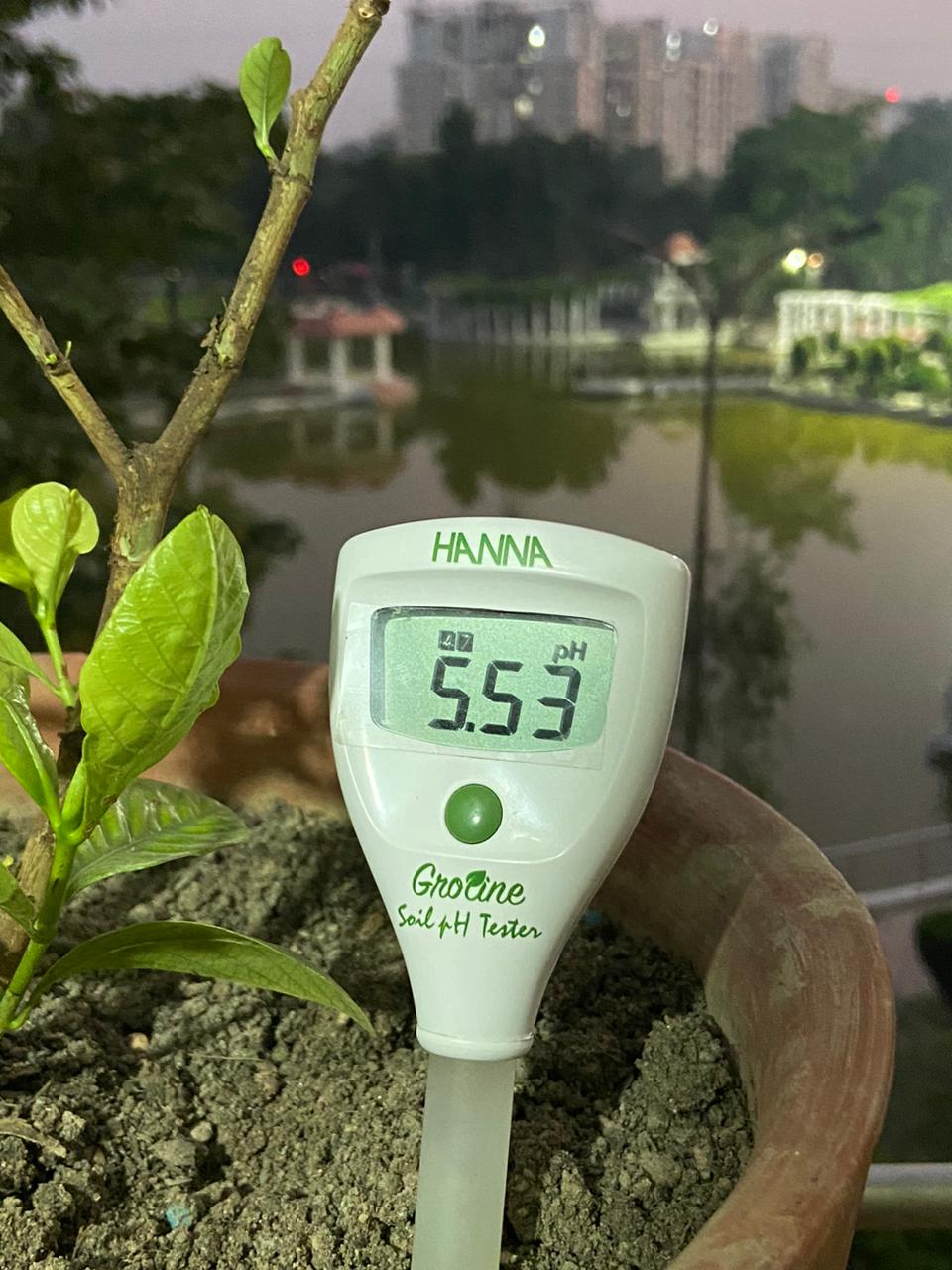
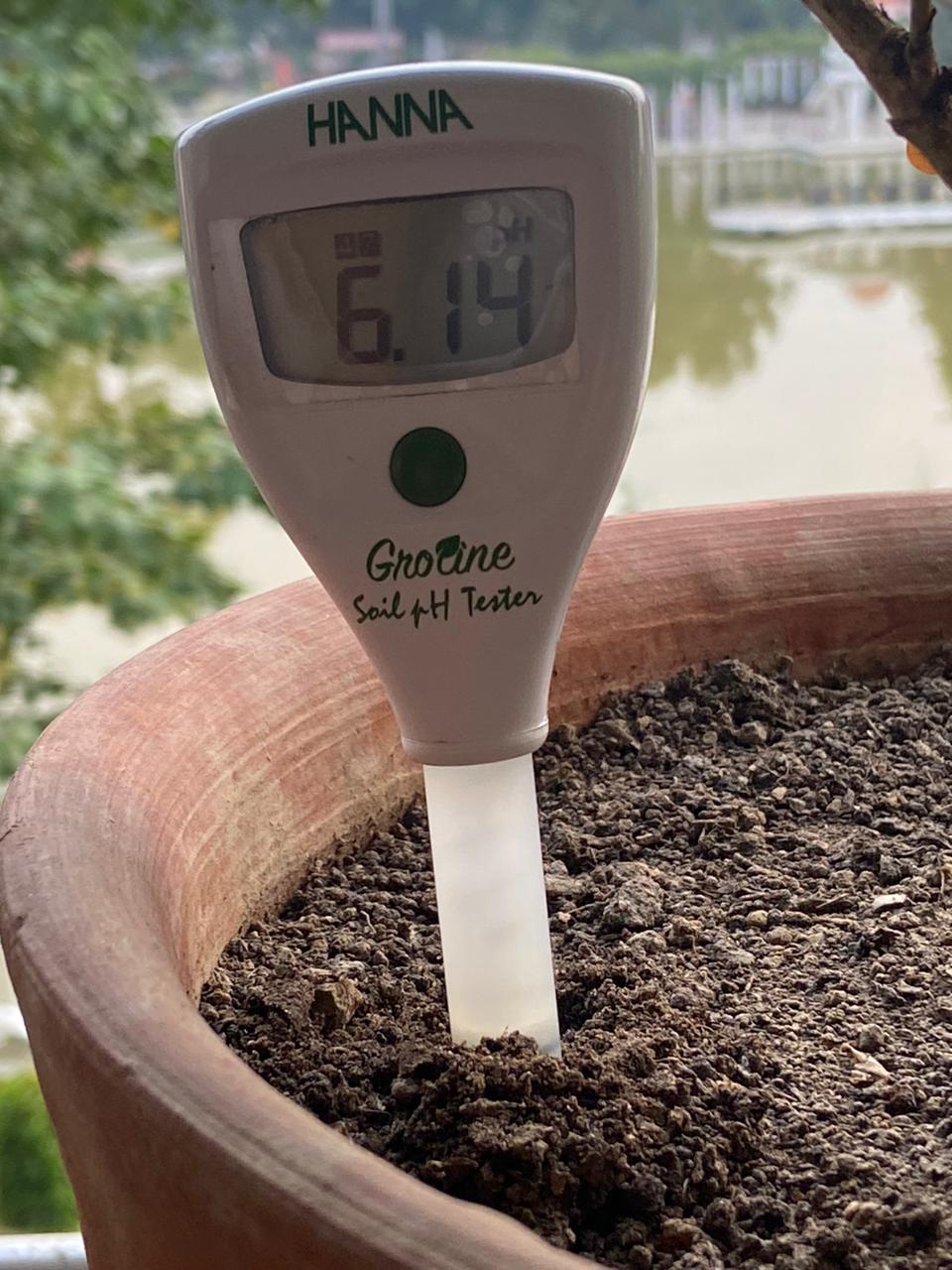
Soil pH is one of the most important parameters governing nutrient availability and root-zone chemistry. In alkaline soils, some nutrients can become less available to plants even when those nutrients are present in the soil.
Acidifier is designed to provide a controlled approach to soil pH management, making it particularly relevant where growers need to gradually move an alkaline root zone toward a more suitable pH range.
Designed for controlled acidification
Soil acidification is fundamentally different from simply adding an acidic liquid to the growing medium. A useful soil-acidification programme needs to account for the soil’s buffering capacity and its ability to resist changes in pH.
Acidifier is positioned as a gradual soil-management solution rather than a rapid pH-changing treatment.
Suitable across grower segments
The product can serve a wide customer base—from serious home gardeners and nurseries to professional growers and modern farming operations.
This makes it a useful addition to a retailer’s plant-care and soil-management portfolio.
Supports long-term pH management
Where soil conditions and application rates are appropriate, the acidifying effect can persist for an extended period. This can reduce the need for repeated short-interval applications compared with approaches that produce only a temporary change in the root zone.
Particularly relevant for alkaline soils
Acidifier is especially useful where naturally alkaline soil, irrigation water, carbonate-rich conditions or repeated alkaline inputs make it difficult to maintain the desired root-zone pH.
A practical professional solution
For nurseries, retailers and agricultural-input businesses, Acidifier provides a straightforward product category around an important but often poorly understood horticultural requirement: soil pH management.
Product Desciption
Acidifier is a soil amendment designed to help growers gradually reduce excessive soil alkalinity and establish a more favourable root-zone pH.
The underlying acidification process is based on the biological oxidation of reduced sulphur forms in the soil. As sulphur is oxidised by soil microorganisms, acidity is generated, which can progressively lower soil pH.
The rate of this process depends on several factors, including:
- Soil temperature
- Moisture availability
- Microbial activity
- Soil texture
- Soil organic matter
- Sulphur particle characteristics
- Existing soil alkalinity
- Carbonate and lime content
- Irrigation-water chemistry
Consequently, soil acidification should be viewed as a soil-management process, rather than an instantaneous chemical correction.
Why soil pH matters
Soil pH influences:
- Nutrient availability
- Root nutrient uptake
- Microbial activity
- Chemical behaviour of minerals in the soil
- Root-zone conditions
- Performance of acid-loving plants
In strongly alkaline soils, nutrients such as iron and certain micronutrients may become less available. Correcting the root-zone pH can therefore form an important part of an integrated nutritional programme.
However, lowering pH does not automatically correct every nutrient deficiency. Deficiencies should be diagnosed separately and managed appropriately.
Suitable applications
Acidifier can be considered for:
- Acid-loving ornamental plants
- Acid-loving fruit crops
- Nursery production
- Container and raised-bed systems where alkaline media are a concern
- Garden soils with excessive alkalinity
- Professional horticultural production
- Agricultural soils requiring pH management
Problems this product helps address
Acidifier is intended to support growers dealing with soil pH and alkalinity-related challenges, including:
- Excessively alkaline soil
- Difficulty maintaining an acidic root-zone environment
- Soil conditions unsuitable for acid-loving plants
- Reduced availability of certain nutrients associated with high soil pH
- Repeated upward movement of soil pH
- Alkaline irrigation conditions contributing to root-zone pH problems
- The need for gradual rather than abrupt soil acidification
- Professional soil-management programmes requiring measurable pH correction
What it does not claim to solve
Acidifier should not be used as a blanket treatment for:
- All forms of leaf yellowing
- Root disease
- Pest infestations
- Poor drainage
- Water stress
- General nutrient deficiencies unrelated to pH
These conditions require separate diagnosis and management.
Application method and dosage
Soil application
Apply the product uniformly to the soil or growing medium around the active root zone.
Where practical, incorporate it into the upper soil layer rather than leaving the material concentrated on the surface.
Water the area normally after application.
Dosage
Do not use a universal application rate for soil acidification.
The amount required to achieve a particular pH change depends heavily on soil buffering capacity. Two soils with the same measured pH can require substantially different quantities of an acidifying amendment because their carbonate content, texture and buffering characteristics differ.
For professional use, a soil test and, where available, buffer-pH or lime-requirement assessment should be used to establish the amendment requirement.
For retail gardening applications, users should follow the dosage stated on the product label for the relevant plant, soil type and application area.
Application frequency
Acidifier should not automatically be reapplied at short intervals.
Allow sufficient time for the acidification process to occur, then reassess soil pH before deciding whether another application is required.
This is particularly important because excessive acidification can create a root-zone pH that is less suitable for the crop.
Best timing
Application is generally most useful when the soil has adequate moisture and biological activity.
Avoid making repeated applications simply because the desired pH has not changed immediately. Sulphur-based soil acidification is inherently gradual.
Container-grown plants
For containers, the application requirement can be substantially different from field soil because the growing medium has a smaller volume and potentially lower buffering capacity.
Use a container-specific, conservative application programme and monitor the growing-medium pH rather than applying field-soil rates.
Professional and agricultural use
For commercial cultivation, determine the required pH correction using soil analysis before application.
Where irrigation water has high alkalinity, the irrigation-water chemistry should also be evaluated because continual alkaline inputs can influence the long-term soil pH programme.
Precautions
- Do not apply without considering the existing soil pH.
- Do not repeatedly apply without reassessing pH.
- Avoid excessive acidification.
- Keep application reasonably uniform throughout the target root zone.
- Do not assume all yellowing or chlorosis is caused by alkaline soil.
- Consider irrigation-water alkalinity where repeated pH rise occurs.
- Keep away from direct contact with plant stems.
- Follow the product label for crop-specific restrictions and application instructions.
Storage
Store in a cool, dry and well-ventilated location, protected from moisture.
Keep the package properly closed when not in use.
FAQ(s)
1. What is Acidifier used for?
Acidifier is used to help gradually reduce excessive soil alkalinity and manage soil pH for plants that perform better in a more acidic root-zone environment.
2. Does Acidifier immediately lower soil pH?
No. Sulphur-based soil acidification is a gradual biological process. The rate of pH change depends on soil conditions and microbial activity.
3. Can Acidifier be used for acid-loving plants?
Yes. It can be incorporated into a soil-management programme for plants that require or prefer acidic growing conditions, provided the soil pH is monitored.
4. Can I use it simply because my soil has a high pH?
A high pH is an important indication, but the quantity required depends on more than pH alone. Soil texture, carbonate content and buffering capacity should also be considered.
5. Why doesn’t the same dosage work for every soil?
Different soils have different buffering capacities. A calcareous or strongly buffered soil can resist pH change much more strongly than a lightly buffered soil with the same measured pH.
6. How often should Acidifier be applied?
It should not be applied according to a fixed short interval without checking the soil response. Reassess soil pH before making further applications.
7. Can Acidifier be used in pots?
Yes, but container media require greater care because their smaller volume can make over-application more consequential. Use an appropriate container dosage and monitor growing-medium pH.
8. Can Acidifier correct iron chlorosis?
It can help where high soil pH is contributing to reduced iron availability, but yellowing has many possible causes. Iron chlorosis should not automatically be attributed to soil pH without appropriate diagnosis.
9. Can Acidifier be used with plant nutrition products?
Yes, as part of an integrated soil and plant nutrition programme. However, pH should be considered when selecting and applying other nutritional inputs because pH influences nutrient availability.
10. Will the soil remain acidic permanently?
Not necessarily. Soil pH can change again because of irrigation-water chemistry, carbonate minerals, fertilisation, leaching and other environmental factors. Periodic monitoring is therefore useful.
11. Is Acidifier suitable for professional growers?
Yes. Soil pH management is particularly important in professional horticulture where consistent root-zone conditions are required. Commercial growers should base application decisions on soil testing.
12. Can I apply more if the pH does not fall quickly?
No. A delayed response does not necessarily mean that more product is required. Sulphur oxidation takes time, and excessive application can eventually push the soil pH below the desired range. Re-test before increasing the application.
Reviews
There are no reviews yet.